About Us

Elevating Care with Innovation and Compassion

Contact Info

Arora EliteCare Hospital, besides shyam temple, Solaris Kode, 202-203, VIP Road, Surat, Gujarat 395007

+91 9227033123

aroraelitecare@gmail.com

Piles Medicines and Creams: What Works and When You Need Surgery

Piles medicine can help relieve itching, pain, swelling, and discomfort caused by haemorrhoids. However, the right treatment depends on the severity of your symptoms and the type of piles you have. While creams and tablets may provide relief, some patients need medical procedures or surgery for persistent or advanced piles. At Arora Elite Care, patients […]


Surgery for People With Diabetes: Risks and How to Prepare

Surgery for diabetic patients is generally possible and can be performed safely with appropriate preparation, blood sugar management and postoperative monitoring. However, diabetes can increase the risk of infection, delayed wound healing and complications when blood glucose is poorly controlled. Before an operation, doctors usually review recent blood sugar readings, HbA1c levels, diabetes medicines, kidney […]

Back to Work After Hernia Surgery: Lifting, Driving and Desk Jobs

You can often return to work after hernia surgery within 1–2 weeks if you have a desk job and an uncomplicated recovery. Some patients return sooner after laparoscopic surgery, while physically demanding jobs may require 4–6 weeks or longer, depending on the type of hernia repair, postoperative discomfort, and your surgeon’s advice. Driving, lifting, walking, […]

Perianal Abscess: Drainage, Recovery and Fistula Risk

A perianal abscess is a painful collection of pus that develops near the anus, usually because of an infection in a small anal gland. It commonly causes swelling, redness, tenderness, and throbbing pain. Most perianal abscesses require prompt surgical drainage because antibiotics alone usually cannot clear an established collection of pus. After drainage, the wound […]

Gallstone Pancreatitis: Why Doctors Advise Removing the Gallbladder

Gallstone pancreatitis occurs when a gallstone blocks the shared drainage pathway of the pancreas and bile duct, triggering inflammation of the pancreas. The condition can cause severe upper abdominal pain, vomiting, and potentially serious complications. Doctors often recommend gallbladder removal after recovery because leaving the gallbladder in place increases the risk of another gallstone-related attack. […]

Diastasis Recti or Umbilical Hernia After Pregnancy?

Diastasis recti vs hernia: the main difference is that diastasis recti involves widening of the connective tissue between the abdominal muscles, while an umbilical hernia occurs when tissue pushes through a weakness or opening in the abdominal wall near the belly button. Both conditions can cause a belly bulge after pregnancy, but their treatment is […]

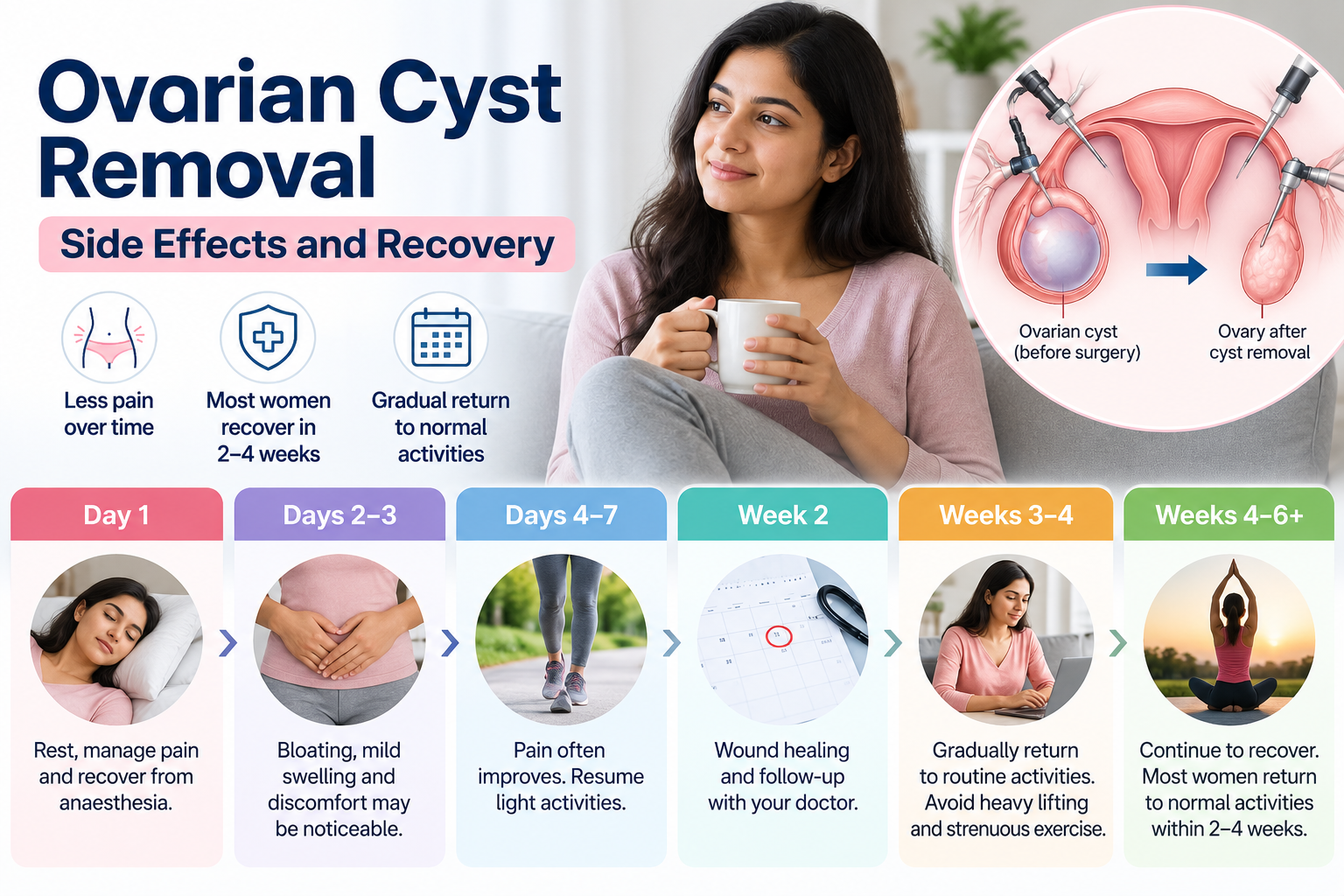
Ovarian Cyst Removal: Side Effects and Recovery

Common side effects after ovarian cyst removal include abdominal pain, bloating, tiredness, mild vaginal spotting, and temporary discomfort around the surgical incisions. After laparoscopic ovarian cystectomy, many patients can gradually resume light activities within several days and return to their usual routine within approximately two to four weeks. Recovery after open surgery generally takes longer. […]

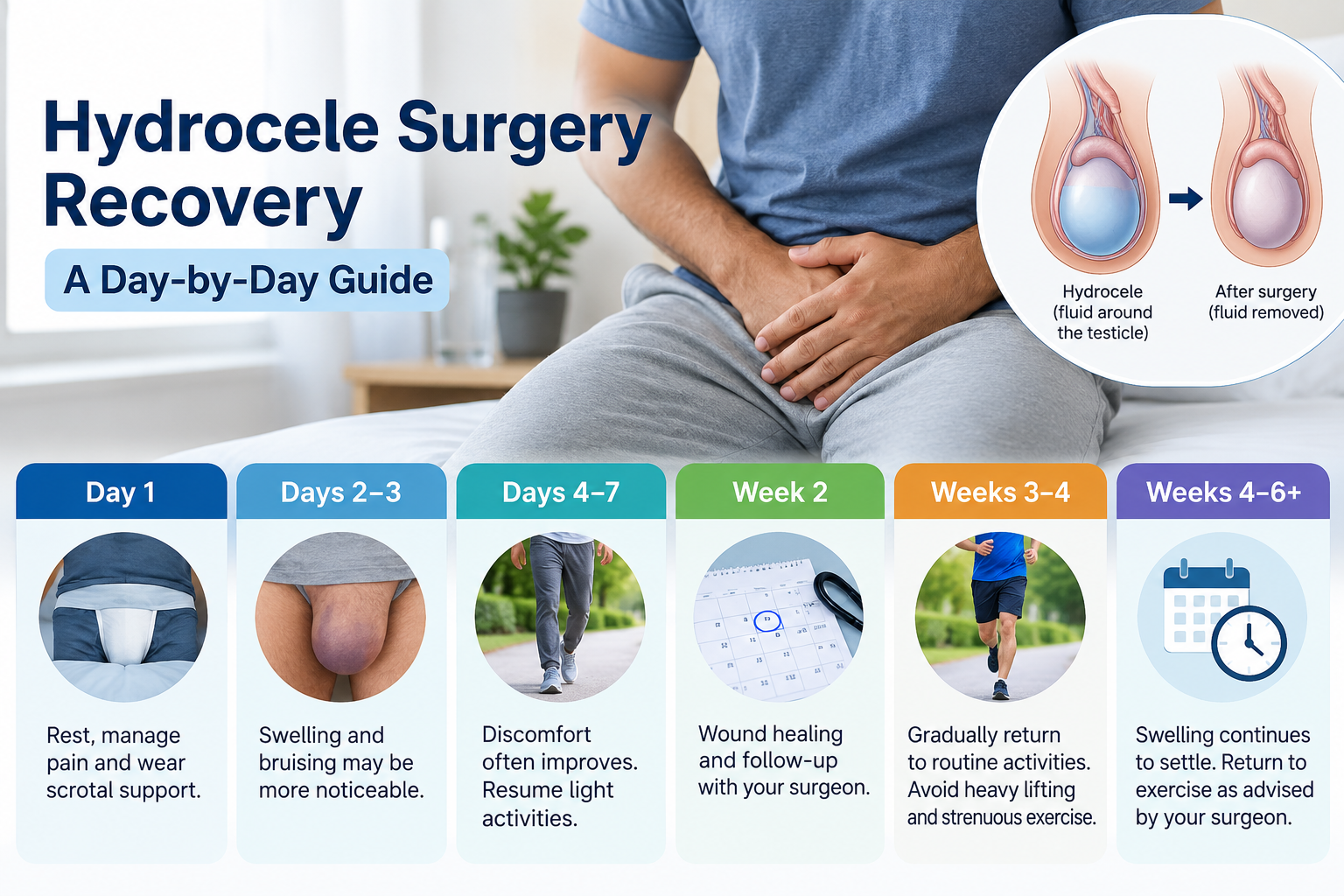
Hydrocele Surgery Recovery: A Day-by-Day Guide

Hydrocele surgery recovery usually takes a few weeks, although swelling and firmness around the scrotum may take longer to settle completely. Many patients can resume light daily activities within several days, while strenuous exercise, cycling, and heavy lifting may need to be avoided for approximately two to four weeks or longer, depending on the operation […]

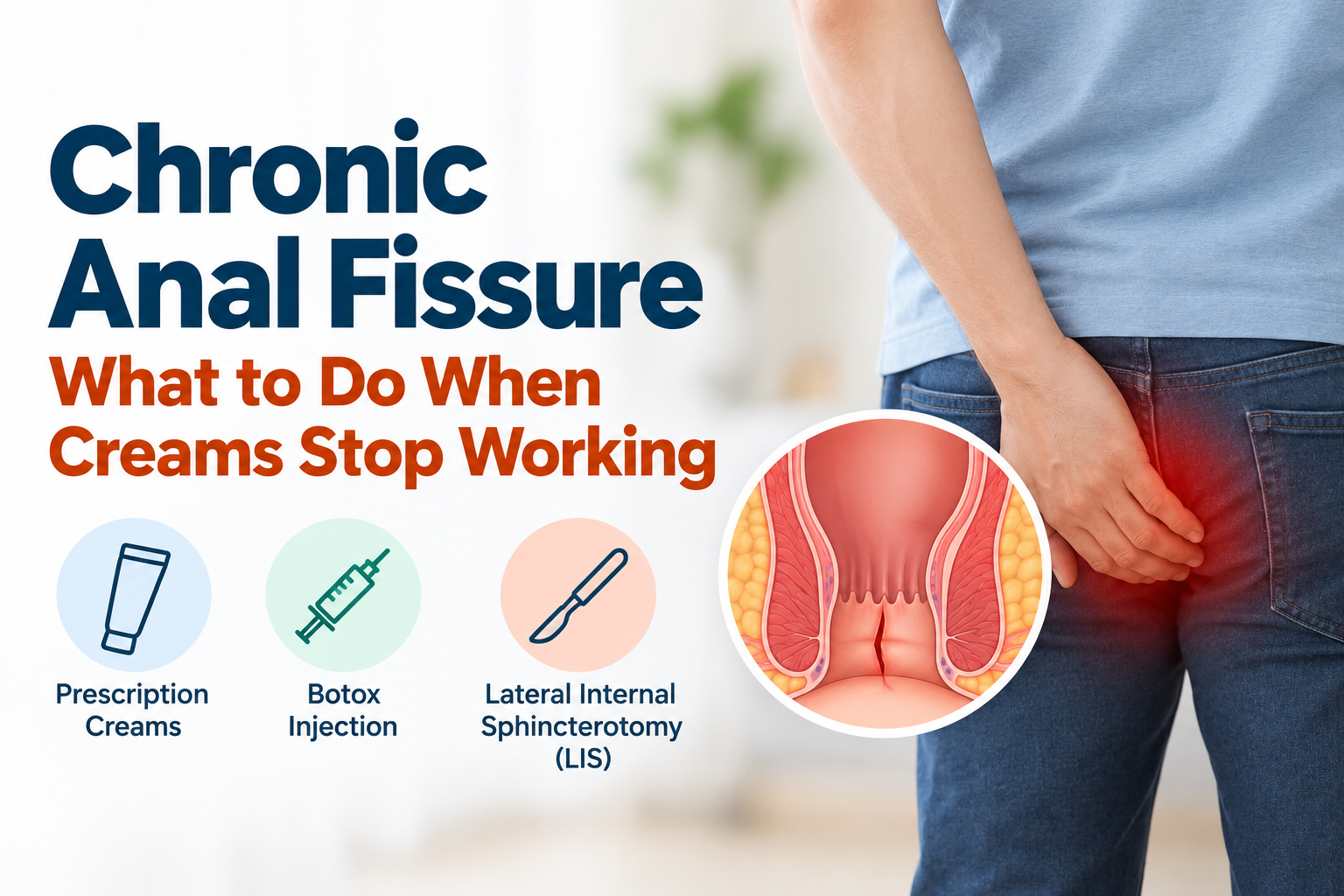
Chronic Anal Fissure: What to Do When Creams Stop Working

Medical reviewer: Dr. Hitesh Arora, Advanced Laparoscopic and General Surgeon, Arora Elite Care, Surat. A chronic anal fissure is a tear in the anal canal that usually persists for more than six weeks. If prescription creams stop helping or the fissure does not heal, a doctor may recommend reassessing the diagnosis, improving bowel habits, changing […]

Fibre-Rich Gujarati Foods That Help Prevent Piles

A healthy diet for piles includes fibre-rich Gujarati foods such as whole-wheat rotli, bajra rotla, moong dal, vegetables, fruits, and properly prepared legumes. These foods can help soften stools, reduce constipation and minimise straining during bowel movements. Drinking enough water and maintaining regular toilet habits are equally important. However, diet cannot cure every case of […]