
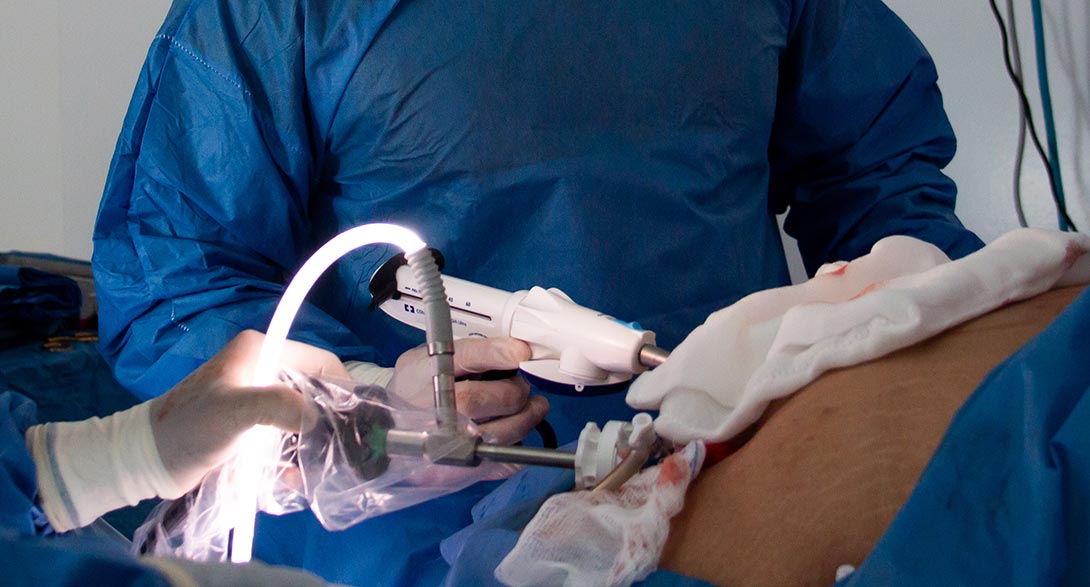
An appendix operation in Surat may be needed when appendicitis causes inflammation or infection that requires surgical treatment. The procedure, called an appendectomy, removes the inflamed appendix. Surgeons commonly perform it using laparoscopic surgery, which involves small abdominal incisions. Treatment depends on the severity of appendicitis, investigation findings, and whether complications such as perforation or an abscess have developed.
At Arora Elite Care, Surat, Dr. Hitesh Arora provides assessment and surgical treatment planning for appendicitis. Patients with suspected appendicitis should seek prompt medical attention because the condition can worsen and may require emergency treatment.
What Is Appendix Surgery?
Appendix surgery, also known as appendectomy, is an operation to remove the appendix. The appendix is a small, finger-shaped pouch attached to the large intestine, usually located in the lower right abdomen.
When the appendix becomes inflamed, the condition is called appendicitis. Common symptoms include abdominal pain, nausea, vomiting, reduced appetite, and fever. However, not every patient experiences all these symptoms.
Doctors assess the symptoms, examine the abdomen, and may recommend blood tests, urine tests, ultrasound, or a CT scan. These findings help determine whether surgery, antibiotics, or another treatment approach is appropriate.
When Is Appendix Surgery Required?
Doctors may recommend appendix surgery when appendicitis requires operative treatment. The decision depends on the patient’s condition, the severity of inflammation, and the risk of complications.
Common situations include the following.
1. Acute Appendicitis
Acute appendicitis causes inflammation of the appendix and may worsen without appropriate treatment. Surgery is a standard treatment for many patients, although selected cases of uncomplicated appendicitis may be managed with antibiotics under medical supervision.
2. Severe or Worsening Abdominal Pain
Pain often begins around the belly button and moves towards the lower right abdomen. It may become persistent or more severe. Abdominal pain can have several causes, so a medical examination is necessary to identify the problem.
3. A Perforated or Burst Appendix
If the appendix develops a hole, infected material may spread into the abdomen. This can cause peritonitis, an abscess, or sepsis. Treatment may involve surgery, antibiotics, and additional procedures depending on the extent of infection.
4. Recurrent Appendicitis
Some patients experience repeated episodes of symptoms associated with appendicitis. The surgeon evaluates the diagnosis and clinical history to determine whether an appendectomy is appropriate.
5. An Appendix Abscess or Inflammatory Mass
When an abscess or inflammatory mass develops, immediate surgery may not always be the first step. Depending on the patient’s condition, doctors may recommend antibiotics, drainage, or surgery at a later stage.
Emergency warning: Severe or rapidly worsening abdominal pain, pain spreading across the abdomen, persistent vomiting, fever with abdominal pain, fainting, or confusion requires urgent medical assessment. Do not wait for a routine appointment if you suspect appendicitis or rupture.
Read our guide to signs that an appendix may be about to burst.
How Is Laparoscopic Appendix Surgery Performed?
Laparoscopic appendectomy is a minimally invasive operation in which the surgeon removes the appendix through small abdominal incisions. The procedure is performed under general anaesthesia, so the patient is asleep during surgery.
The process generally includes these steps:
- Preoperative assessment: The doctor reviews symptoms, medical history, examination findings, and test results.
- Anaesthesia: The anaesthesia team administers general anaesthesia.
- Small incisions: The surgeon makes small openings in the abdomen for the camera and instruments.
- Appendix removal: The surgeon identifies the inflamed appendix, separates it safely, and removes it.
- Management of infection: If perforation or contamination is present, the surgeon manages the affected area as needed.
- Closure and recovery: The incisions are closed, and the patient is monitored during recovery.
The exact technique depends on the position of the appendix, the severity of inflammation, and the presence of complications.
Laparoscopic vs Open Appendix Surgery
Both laparoscopic and open appendectomy can treat appendicitis. The surgeon selects the appropriate method based on the patient’s condition and surgical findings.
| Feature | Laparoscopic surgery | Open surgery |
|---|---|---|
| Incisions | Several small incisions | Usually one larger incision |
| Recovery | Often faster after uncomplicated surgery | May require more recovery time |
| Scarring | Usually smaller scars | Usually a larger scar |
| Hospital stay | Often shorter in uncomplicated cases | Depends on the condition and recovery |
| Suitability | Commonly used when appropriate | May be preferred when open access is safer |
Laparoscopic surgery is not suitable for every situation. If the appendix has ruptured or the anatomy makes keyhole surgery difficult, the surgeon may recommend open surgery or change the approach during the procedure to protect the patient’s safety.
Learn more about laparoscopic appendix surgery in Surat.
How Long Does Appendix Surgery Take?
A straightforward appendectomy commonly takes around an hour, although operating time varies. The procedure may take longer if the appendix has ruptured, an abscess is present, or the surgeon encounters difficult anatomy.
The total hospital visit also includes preoperative preparation, anaesthesia, and postoperative observation.
How Many Days Do You Stay in the Hospital After Appendix Surgery?
After uncomplicated laparoscopic appendix surgery, some patients can leave the hospital the following day or within one to two days. However, the length of stay depends on the severity of appendicitis, the surgical approach, pain control, and recovery.
Patients may need to stay longer if they have:
- A perforated appendix
- An abdominal abscess or widespread infection
- Persistent fever or vomiting
- Difficulty eating or drinking
- Other medical conditions requiring monitoring
Your surgeon will determine when it is safe to go home based on your recovery and clinical condition.
What Is the Recovery Time After Appendix Surgery?
Many patients recover from uncomplicated appendectomy within approximately one to two weeks. Recovery may take longer after open surgery, a ruptured appendix, or complications requiring additional treatment.
First Few Days
Some abdominal discomfort, tiredness, and reduced appetite may occur after surgery. Follow the prescribed medication schedule, keep the wound clean as instructed, and begin walking when your medical team says it is appropriate.
First One to Two Weeks
Patients generally increase their daily activities gradually. Return to work depends on the type of job, the operation performed, and the patient’s progress.
Returning to Exercise
Avoid heavy lifting and strenuous exercise until your surgeon confirms that these activities are safe. Do not assume that small laparoscopic incisions mean the internal tissues have completely healed.
When Should You Contact Your Doctor?
Seek medical advice if you develop fever, increasing abdominal pain, persistent vomiting, wound redness, discharge, or other concerning symptoms after surgery. Severe pain, fainting, confusion, or breathing difficulty requires emergency assessment.
What Is the Cost of Appendix Surgery in Surat?
The cost of an appendix operation in Surat varies by hospital, surgical technique, room category, severity of appendicitis, and length of hospital stay.
As an indicative estimate, publicly available Surat cost information places appendix surgery at approximately ₹25,000 to ₹70,000 for open surgery and ₹35,000 to ₹1,00,000 for laparoscopic surgery. These are general market estimates, not a confirmed quotation or package price from Arora Elite Care.
The final bill may depend on:
- Surgeon and anaesthesia fees
- Preoperative tests and imaging
- Laparoscopic or open surgery
- Room category and hospital charges
- Medicines and consumables
- Whether the appendix has ruptured
- Treatment for infection or an abscess
- Length of hospital stay and additional procedures
A patient with uncomplicated appendicitis may have different costs from someone who needs treatment for a ruptured appendix or widespread infection.
For an accurate estimate, contact the hospital and ask which services are included in the package. If appendicitis is suspected as an emergency, do not delay medical assessment while comparing costs.
What Are the Risks of Appendix Surgery?
Appendectomy is a commonly performed operation, but every surgical procedure carries some risk. Possible complications include:
- Bleeding
- Wound infection
- Infection or abscess inside the abdomen
- Anaesthesia-related complications
- Temporary bowel problems
- Additional treatment or surgery if complications develop
The risk varies according to the patient’s health and the severity of appendicitis. A ruptured appendix can make treatment more complex than uncomplicated appendicitis.
Before surgery, the surgeon and anaesthesia team assess the patient and explain the relevant risks, benefits, and alternatives.
Can Appendicitis Be Treated Without Surgery?
Some carefully selected patients with uncomplicated appendicitis may be treated with antibiotics instead of immediate surgery. However, this approach is not suitable for everyone, and appendicitis can recur after antibiotic treatment.
If perforation, widespread infection, or another complication is suspected, the treatment plan may be different. An abscess may sometimes require antibiotics and drainage, with surgery considered according to the patient’s progress.
Only a qualified medical team can determine whether nonoperative treatment is appropriate. Never attempt to treat suspected appendicitis at home with leftover antibiotics or pain medicines.
Appendix Surgery at Arora Elite Care, Surat
Patients who need an appendix operation in Surat can seek assessment and treatment planning at Arora Elite Care. Dr. Hitesh Arora is an Advanced Laparoscopic and General Surgeon with more than 15 years of surgical experience. The clinic’s published profile states that he has performed more than 10,000 surgeries.
During the assessment, the surgeon reviews symptoms, examines the abdomen, and considers the findings from relevant investigations. If surgery is required, the surgical approach is selected according to the patient’s condition and the severity of appendicitis.
Explore the appendix surgery service or read Dr. Hitesh Arora’s professional profile.
For non-emergency enquiries, visit the Arora Elite Care contact page.
If you currently have severe or worsening abdominal pain, fever with abdominal pain, persistent vomiting, or symptoms suggesting a possible appendix rupture, seek emergency medical attention rather than waiting for a scheduled consultation.
Key Takeaways
- Appendix surgery removes an inflamed appendix when necessary.
- Laparoscopic appendectomy uses small incisions and often supports faster recovery.
- Surgery treats many cases of acute appendicitis, while doctors may treat selected uncomplicated cases with antibiotics.
- Hospital stay and recovery depend on the severity of appendicitis and the patient’s progress.
- Appendix surgery costs vary by technique, hospital charges, room category, and complications.
- A ruptured appendix may require more complex treatment and a longer hospital stay.
- Severe or worsening abdominal pain requires prompt medical assessment.
Frequently Asked Questions
1. What is Arora Elite Care in Surat?
Arora Elite Care is a laparoscopic and general surgery centre in Vesu, Surat, associated with Dr. Hitesh Arora. Patients can enquire about surgical consultations and treatment options for conditions such as hernia, gallbladder stones, and appendicitis.
2. Who is the surgeon at Arora Elite Care?
Dr. Hitesh Arora is associated with Arora Elite Care. His qualifications include M.S. (Gold Medalist) and FMAS. Read his full professional profile for more information.
3. What conditions does Arora Elite Care treat?
The centre provides surgical assessment and treatment planning for general surgical conditions, including hernia, gallbladder stones, and appendicitis. The recommended treatment depends on the diagnosis and individual clinical needs.
4. Where is Arora Elite Care located?
Arora Elite Care is located in Vesu, Surat, Gujarat. Visit the contact page for the current address, directions, and appointment enquiries.
5. How can I book a consultation?
You can contact Arora Elite Care through its contact page to enquire about appointment availability and consultation arrangements.
Excerpt
Appendix surgery in Surat treats appendicitis when the appendix becomes inflamed or infected. Learn about laparoscopic appendectomy, when you need surgery, hospital stay, recovery, estimated costs, and treatment options at Arora Elite Care.