A hernia often starts as a small bulge or mild discomfort, but it usually doesn’t heal on its own. Over time, the weakness in the abdominal wall can worsen, making daily activities more painful and increasing the risk of complications. If you are searching for Hernia Surgery Near Valsad & Navsari, you may wonder whether to seek treatment locally or consult a specialist in a nearby city. Many patients from Valsad and Navsari choose to visit Surat, where experienced general surgeons and advanced laparoscopic surgical facilities are available.
This guide explains when hernia surgery is needed, the available treatment options, what to expect during recovery, and why many patients from Valsad and Navsari travel to Surat for specialized care.
What Is a Hernia?
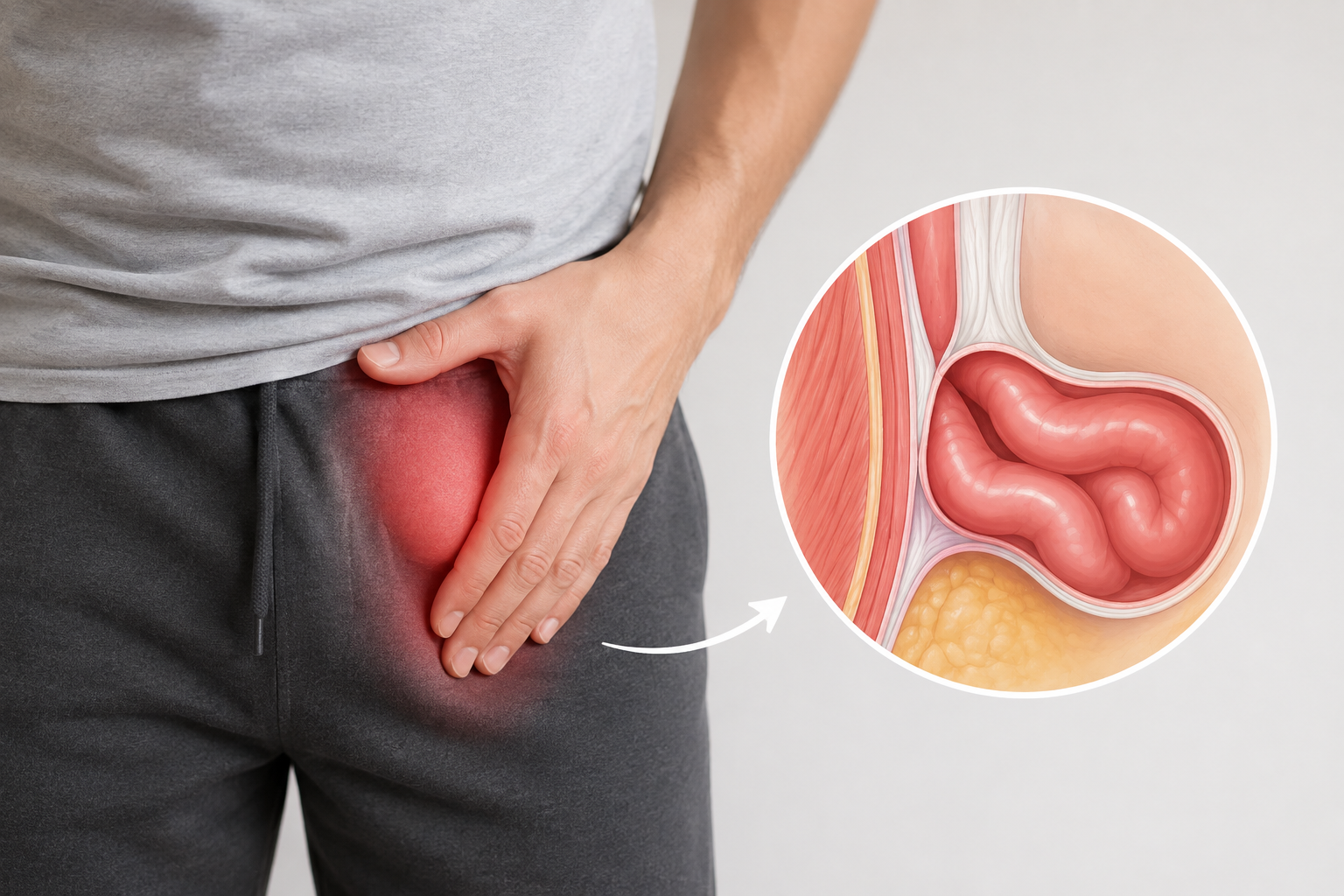
A hernia develops when an internal organ or fatty tissue pushes through a weak area in the surrounding muscle or connective tissue.
The most common types include:
- Inguinal hernia (groin)
- Umbilical hernia (near the belly button)
- Incisional hernia (at a previous surgical scar)
- Femoral hernia
- Hiatal hernia
Although some hernias remain small for a while, they usually become larger over time without treatment.
Common Symptoms of a Hernia
Many people notice:
- A visible lump or swelling
- Pain while lifting heavy objects
- Discomfort during coughing or bending
- A feeling of pressure in the abdomen or groin
- Burning or aching sensation around the swelling
Some hernias cause only mild symptoms initially but gradually interfere with daily life.
When Should You Consider Hernia Surgery?
Doctors may recommend surgery if:
- The hernia continues to grow.
- Pain or discomfort affects daily activities.
- The swelling becomes difficult to push back.
- Symptoms become more frequent.
- There is a risk of complications such as obstruction or strangulation.
Because hernias do not repair themselves, surgery is the only definitive treatment.
Can a Hernia Heal Without Surgery?
No. Support belts or lifestyle changes may temporarily reduce discomfort in selected patients, but they do not close the opening in the abdominal wall.
Ignoring a hernia may increase the risk of:
- Enlargement of the hernia
- Persistent pain
- Bowel obstruction
- Strangulated hernia requiring emergency surgery
Early evaluation allows planned treatment before complications develop.
Laparoscopic Hernia Surgery
Today, many hernias can be treated using laparoscopic (keyhole) surgery.
The procedure involves small incisions through which a camera and specialized instruments repair the weakened area, often using a surgical mesh for reinforcement.
Potential benefits include:
- Smaller incisions
- Less postoperative discomfort
- Faster recovery
- Shorter hospital stay
- Earlier return to work and daily activities
The most suitable surgical approach depends on the type and size of the hernia, your overall health, and your surgeon’s assessment.
Recovery After Hernia Surgery
Recovery varies depending on the procedure performed and individual health.
Many patients can expect:
- Walking on the same day or the next day
- Returning home within 24–48 hours for many laparoscopic procedures
- Resuming office work within 1–2 weeks
- Gradually returning to heavier physical activity as advised by the surgeon
Following postoperative instructions helps support healing and reduce the risk of recurrence.
Why Do Patients from Valsad & Navsari Visit Surat?
Many patients prefer treatment in Surat because it offers access to:
- Advanced laparoscopic surgical techniques
- Experienced general and laparoscopic surgeons
- Modern operation theatres
- Comprehensive diagnostic facilities
- Convenient connectivity from Valsad and Navsari
Choosing an experienced surgical team can help ensure an accurate diagnosis and an individualized treatment plan.
Why Choose Dr. Hitesh Arora at Arora Elite Care?
If you’re looking for Hernia Surgery Near Valsad & Navsari, learn about symptoms, treatment options, laparoscopic surgery, recovery, and why many patients choose Surat. Dr. Hitesh Arora, Advanced Laparoscopic & General Surgeon at Arora Elite Care, provides comprehensive evaluation and treatment for different types of hernias.
Why Patients Choose Arora Elite Care
- Advanced Laparoscopic & General Surgeon
- Expertise in inguinal, umbilical, incisional, and other hernia repairs
- Modern minimally invasive surgical techniques
- Personalized treatment plans
- Comprehensive care from consultation through recovery
- Convenient location for patients from Valsad, Navsari, and surrounding areas
If you notice a persistent swelling or discomfort in the abdomen or groin, scheduling an early consultation can help determine the most appropriate treatment before complications develop.
Frequently Asked Questions
Can a hernia disappear without surgery?
No. A hernia does not heal on its own. Surgery is the only definitive treatment.
Is laparoscopic hernia surgery painful?
Most patients experience manageable discomfort after surgery. Laparoscopic techniques often result in less postoperative pain compared with larger open incisions.
How long does recovery take?
Many people return to desk work within 1–2 weeks, although recovery depends on the type of hernia and the procedure performed.
Is hernia surgery safe?
Hernia repair is one of the most commonly performed surgical procedures. Your surgeon will discuss the benefits and potential risks based on your individual condition.
When should I see a surgeon?
You should seek medical evaluation if you notice:
- A persistent lump in the abdomen or groin
- Pain during lifting or coughing
- Increasing swelling
- Sudden severe pain or swelling that cannot be pushed back
These symptoms may require prompt medical attention.
Conclusion
A hernia may begin with mild symptoms, but delaying treatment can increase the risk of complications. Modern surgical techniques, including laparoscopic hernia repair, offer effective treatment with the potential for faster recovery in suitable patients.
If you’re looking for Hernia Surgery Near Valsad & Navsari, consulting an experienced general surgeon can help you understand your treatment options and determine the most appropriate treatment based on your individual condition. Early evaluation can also help prevent complications and support a smoother recovery.